
Zio Patch Review: Is the 14-Day Heart Monitor Worth It?
 By Anna Krause November 1, 2026
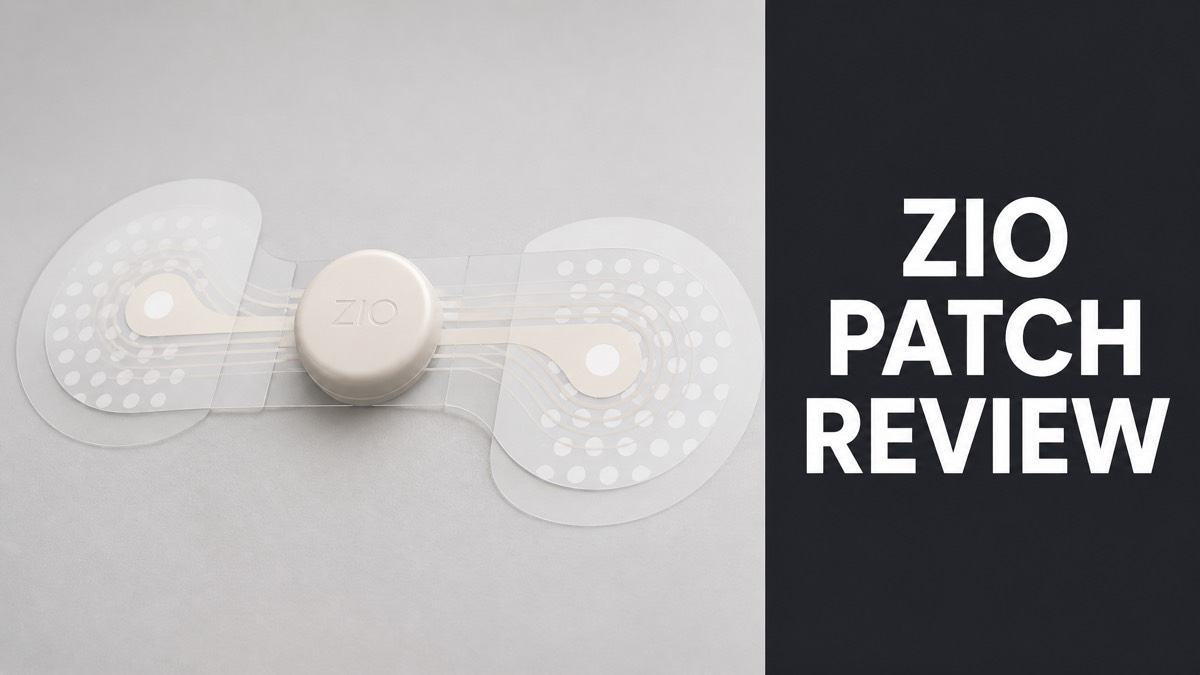
The Zio patch is a prescription adhesive heart monitor from iRhythm Technologies. It sticks to the left chest and records every heartbeat for up to 14 days. Doctors order it when a short ECG or a one-day Holter cannot explain palpitations, dizziness, fainting spells, or unexplained fatigue.
The patch has no wires and a splash-proof body, and a trigger button lets the wearer mark symptoms for the report. In a study of 146 patients it found 96 arrhythmia events against 61 for a Holter. Patients rate it more comfortable, at 93.7% against 51.7%. The adhesive draws the main complaints. Water, steam, and heavy sweat shorten wear time.
Cost depends on the plan, and insurance often covers the patch when a doctor prescribes it. Skin irritation is usually minor, and a few groups should skip it. It is a medical device, so a prescription is required. Read on for the full breakdown of results, side effects, costs, and who gains the most from wearing it.
What Is the Zio Patch?
The Zio patch is a wire-free adhesive heart monitor that records a single-lead ECG for up to 14 days. The maker is iRhythm Technologies of San Francisco. The FDA has cleared the device, and it sticks to the left side of the chest.
To be clear, a doctor must prescribe the Zio patch. Each unit serves a single patient. The patch can be mailed to the patient's home, and the patient applies it without a clinic visit.
Here's the part most people miss: doctors order the monitor for people with or without symptoms. Palpitations, shortness of breath, dizziness, light-headedness, fainting, fatigue, and anxiety are the listed reasons. Many rhythm problems come and go. So why does a quick ECG miss them? A single short ECG only catches one moment.
Listed Reasons for Use:
- Palpitations
- Shortness of breath
- Dizziness or light-headedness
- Fainting
- Fatigue or anxiety
The history is short. The FDA cleared the first Zio patch in May 2009. A July 2012 extension covered patients with no symptoms at all. That wider clearance explains why doctors now use it for screening as well as symptom checks.
What Is the Difference Between Zio XT and Zio AT?
The Zio XT records for up to 14 days and sends nothing wirelessly. The wearer mails the patch back to iRhythm at the end. A button on the patch marks symptoms for the report.
The Zio AT adds a gateway. The patch sends data to the gateway over Bluetooth. The gateway then uses cellular service to reach the monitoring center. The gateway must stay within 10 feet of the patch, and cellular service does not work outside the United States.
And there's a newer version. The Zio monitor has a smaller, lighter body. The housing is waterproof and the adhesive breathes. In a US comparison, early wear terminations fell to 1.1% from 2.8%, and skin irritation reports fell to 0.47% from 1.35%. Average wear rose to 12.6 days from 11.9.
Zio Models Compared:
| Model | Data Handling | Key Detail |
|---|---|---|
| Zio XT | Mail-back, no wireless | Up to 14 days |
| Zio AT | Bluetooth to gateway, cellular onward | Gateway within 10 feet |
| Newer Zio monitor | Mail-back | Waterproof housing, breathable adhesive |
How Does the Zio Patch Work?
The Zio patch records every heartbeat continuously for up to 14 days without any action from the wearer. A working patch shows no lights and makes no sound. The recording continues through sleep, work, and exercise.
Symptoms get their own tool. A trigger button handles them. The wearer presses it when something feels off. The wearer then notes the symptom and the activity in the MyZio app or a paper log. Up to 50 entries travel with the results.
Here's why prep matters: skin preparation decides whether the patch stays on. The instructions call for careful prep of the left chest before application. A patch that peels early shortens the recording. What does that cost? Weaker data.
What Happens After the Patch Is Mailed Back?
Analysis starts with a proprietary algorithm and ends with a human check. A Certified Cardiographic Technician reviews the algorithm output. The technician then writes the report of key findings.
The report goes to the ordering provider. iRhythm typically sends it within one to four business days of receiving the patch. The provider then schedules a review with the patient.
Removal is simple, too. The patch may flash orange as it comes off. The flashing is expected, and the patch is still fine to mail.
What Are the Benefits of the Zio Patch?
The Zio patch monitors the heart far longer than a standard Holter does. A Holter runs 24 to 48 hours. The patch runs up to 14 days. Why does that matter? Rhythm problems that appear once a week still get caught.
What's more, the low profile helps compliance. The patch has no leads or wires. Its splash-proof rating is IPx4. Patients keep up almost every daily activity during the recording.
Health bodies have noticed. NICE guidance from 2020 names the Zio XT as an option for suspected arrhythmias that need monitoring beyond 24 hours. The guidance asks health services to collect outcome data.
A Scottish health technology analysis modelled patch monitors against Holter monitoring. The patch saved resources in every population tested. Fewer recurrent strokes drove most of the savings.
Does the Zio Patch Catch More Arrhythmias Than a Holter?
Yes. The Zio patch detected 96 arrhythmia events against 61 for a Holter in a study of 146 patients. Each patient wore both devices at once. The patch found 57% more events over total wear time (P under .001).
Doctors reached a definitive diagnosis in 90% of cases with the patch. The Holter reached 64%. Where does the gap come from? The extra days of recording explain most of it.
Zio Patch vs Holter in the Scripps Study:
| Measure | Zio Patch | Holter |
|---|---|---|
| Arrhythmia events found | 96 | 61 |
| Definitive diagnosis | 90% | 64% |
| Typical wear time | Up to 14 days | 24 to 48 hours |
The baseline for Holter monitoring is modest. A 24-hour Holter has a diagnostic yield of 15% to 39% for palpitations. So why is that yield so low? A brief recording simply misses events that happen less often.
One caveat applies. Over the same 24 hours, accuracy looks about equal. Systematic reviews found no significant difference in atrial fibrillation detection. In one study the Holter caught 11 events the patch missed, and 9 of those traced to algorithm and reviewer errors.
What Do Zio Patch Reviews Say?
Patient feedback on the Zio patch leans positive with one repeated complaint about the adhesive. Most wearers call it easy and report that it picked up what the doctor needed. The sticking power draws the criticism.
Survey figures from the maker back up the mood. 81% of patients preferred it to a Holter. 91% called it easy to use. 90% said they would wear it again.
What Do Patients Like?
Patients praise the comfort and the lack of sleep disruption. Several wore the patch for the full 14 days without trouble. One reported it stayed on for a month.
The best stories involve detection. One patient learned of atrial fibrillation never felt. Another had tachycardia confirmed after other tests found nothing.
Setup earns praise too, and that's not minor. Directions come across as clear. The support line is open around the clock.
What Are the Common Complaints?
The adhesive draws the loudest complaints. Some patients find it itchy. Others say it does not hold through sweat and needs extra tape.
Water and heat cause the same trouble, in fact. Heavy sweating, steam, and soaking weaken the adhesive. A patch that lifts shortens wear time. Does that matter? Yes, because the recording window shrinks.
The wait for answers frustrates some patients, understandably. The wearer cannot read the recording alone. A provider must review the report first.
Zio Patch vs Holter Monitor: Which Is Better?
The Zio patch beats the Holter on duration and wearability, and ties it on short-window accuracy. The Holter dates to the late 1940s. It uses a shoulder-worn recorder with wires and leads for 24 to 48 hours.
The patch needs no wires and mails to the patient's home. Application takes less time than a clinic fitting. Two systematic reviews found shorter application times and better usability for patch monitors.
Detection splits by time window. Over the full wear period the patch finds more events. Over the same 24 hours the two devices perform alike. So where does the patch really win? The longer recording is the real advantage.
Is the Zio Patch Comfortable to Wear?
Yes. The Zio patch rates far higher on comfort than a Holter. 93.7% of participants called the Zio XT comfortable. Only 51.7% said the same of the Holter.
Preference follows the same pattern, and it's lopsided. 81% of patients chose the patch over the Holter. The lack of wires drives much of that choice.
Skin remains the weak point. Minor itching is common enough to mention in the manufacturer's FAQ. Severe irritation is rare.
What Are the Side Effects of the Zio Patch?
The Zio patch causes only minor side effects in the studies reviewed. Mild skin reactions such as contact dermatitis lead the list. Occasional adhesive failure comes next. No serious adverse events appeared in any study.
Severe symptoms are different. They need action. Intense redness, itching, hives, or blisters call for contacting Customer Care. The instructions say to remove the patch if an allergic reaction develops.
The main safety issue isn't the skin. It's diagnostic. Detection algorithms can misclassify or miss an arrhythmia. Who catches those errors? A human technician reviews the report.
Who Should Avoid the Zio Patch?
People with adhesive allergies should avoid the Zio patch. The warning covers known reactions to adhesives or hydrogels. A family history of adhesive skin allergy counts too.
Equipment matters, too. Certain equipment rules out the patch. An MRI can heat the metal parts and cause burns. External defibrillation, high-frequency surgical equipment, and neurostimulators also conflict with it.
Do Not Wear the Zio Patch With:
- MRI scanners
- External defibrillation
- High-frequency surgical equipment
- A neurostimulator
- A known adhesive or hydrogel allergy
Other limits apply. Safety below age 18 has not been established. The device has not been tested with pacing therapy. The patient must also be able to wear it for the full period.
Can You Shower or Exercise With the Zio Patch?
Yes. Showering and light exercise both work once the first 24 hours pass. The first day allows no showers and no sweating. After that, brief showers are fine.
Shower technique matters. Here's the routine. The wearer keeps the back toward the water. Soap and lotion stay away from the patch. A hand holds the patch down during towel drying.
Shower Routine After the First 24 Hours:
- Keep the back toward the water.
- Keep soap and lotion away from the patch.
- Hold the patch down with one hand while towel drying.
Light exercise is acceptable after day one. Intense workouts are not. Heavy sweating can loosen the patch and cut the recording short.
Travel is allowed, too. A security statement comes with the monitor for airport screening. The Zio AT gateway goes into airplane mode in flight.
What Should You Avoid While Wearing It?
Standing water is the biggest threat to the patch. Swimming, baths, hot tubs, steam rooms, and saunas are out. Steam weakens the adhesive as much as soaking does.
Here's one that surprises people: wireless gear can interfere with the Zio AT. Devices that use 2.4 GHz signals cause the problem within 6 feet. Baby monitors, TV senders, and routers all qualify.
Some changes look odd but are normal. The patch may shift slightly. Blue gel can show under the wings. The wings may turn cloudy after a few days.
How Much Does the Zio Patch Cost?
The Zio patch has no fixed price because insurance and the provider set the bill. Medicare contractor rates reached $222 and $232 in 2022, retroactive to January 1. Earlier cuts had dropped one rate to about $43.
Reported Zio Patch Figures:
| Item | Amount |
|---|---|
| Medicare contractor rates, 2022 | $222 and $232 |
| Earlier reduced rate | About $43 |
| One reported patient bill after insurance | $459 |
Out-of-pocket costs vary widely. One patient reported a $459 bill after insurance. Why such a spread? The amount depends on the plan.
The good news? Help exists. iRhythm offers payment plans and financial assistance. Patient advocates answer at 1-888-693-2401.
Does Insurance Cover the Zio Patch?
Yes. Insurance covers the Zio patch in most cases when the doctor documents medical need. iRhythm works with over 90% of US insurers and with Medicare. The patient may still owe a share.
Coverage rules vary by plan. One Medicaid policy requires age 18 or older, infrequent symptoms, and results that guide care. The same policy limits testing to twice per year.
One more thing: the prescription requirement matters. The Zio is a medical-grade device. Consumer heart trackers need no prescription, but insurance usually does not cover them.
Is the Zio Patch Worth It?
Yes. The Zio patch earns its place when a doctor needs more than a day of heart data. It records longer, finds more events, and feels better to wear than a Holter.
But the downsides are real. The adhesive irritates some skin. Sweat and water shorten wear time. Algorithms can miss an event, and the bill may not be zero.
Pros:
- Longer monitoring than a Holter
- More arrhythmia events found
- Higher comfort ratings
- Simple wire-free wear
Cons:
- Adhesive irritation for some skin
- Sweat and water shorten wear time
- Algorithms can miss an event
- Possible out-of-pocket cost
Bottom line: the Zio patch is a strong choice for the right patient. Can anyone simply buy one? No. A prescription is required.
Who Benefits Most From the Zio Patch?
Patients with rare symptoms gain the most from the Zio patch. Symptoms that strike less often than every 48 hours rarely show up on a Holter. Two weeks of recording gives them time to appear.
Clinical uses include unexplained fainting or palpitations. Atrial fibrillation monitoring and checks after ablation also qualify. So does cryptogenic stroke when a standard workup came back negative.
Poor fits exist, too. Adhesive allergy rules the patch out. Heavy sweaters struggle to keep it on. People facing an MRI soon need another option.
Coffee Loving Card Makers is a reader-supported platform. Purchases made through our links may earn us an affiliate commission at no extra cost to you. Learn more.