
Is The Good Patch Worth It? An Honest Review
 By Anna Krause November 2, 2026
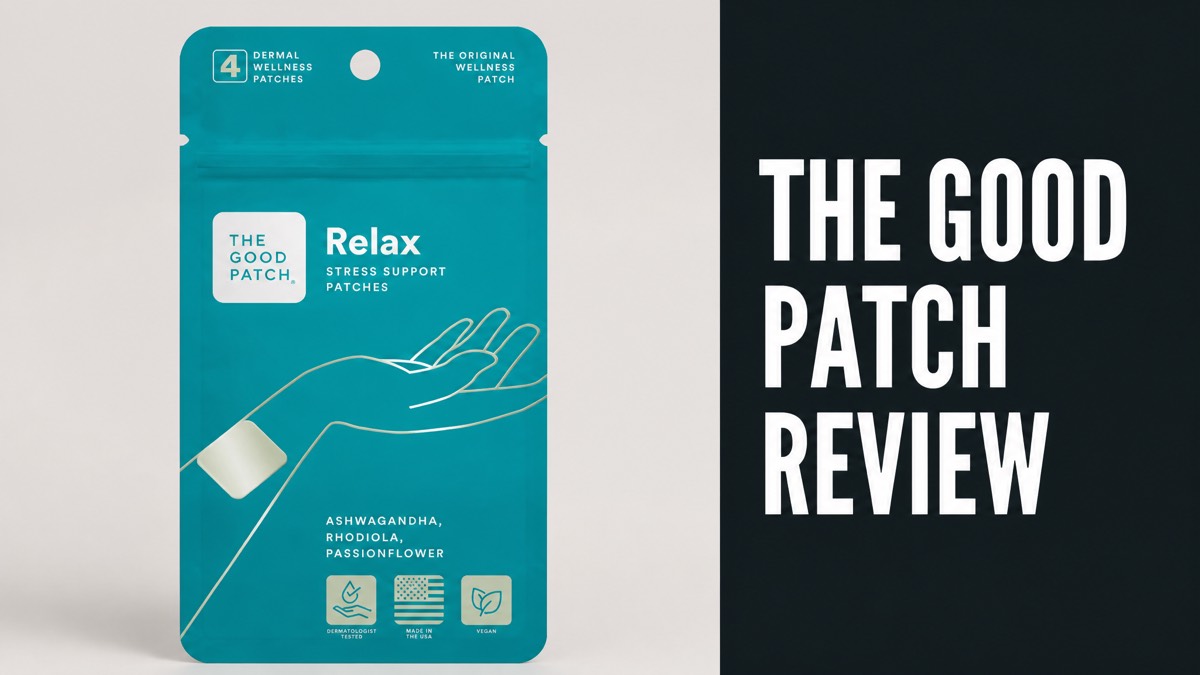
The Good Patch is a line of wearable wellness patches from La Mend Inc., a Los Angeles company founded in 2017. Each peel-and-stick patch releases ingredients through the skin for up to 12 hours, aiming at energy, sleep, stress, and other everyday needs without a pill, powder, or drink.
The patches carry short ingredient lists built around one goal. Sleep formulas use melatonin, valerian root, and hops, while B12 Awake pairs caffeine with vitamin B12. Testers praised the energy and sleep patches, while others reported skin sensitivity, residue, and no effect at all. Packs cost about $12 for four, and the brand has no FDA approval.
The big picture is mixed. Convenience and variety are real strengths, but independent proof is thin and results differ from person to person. Read on for the ingredients, side effects, pricing, and a clear verdict on who should try a pack first, and who is better off skipping it entirely.
What Is The Good Patch?
The Good Patch is a brand of wearable wellness patches that release ingredients through the skin over 8 to 12 hours. Each peel-and-stick patch targets one everyday need, like energy, sleep, stress, or a rough morning after a night out.
Here's what stands out: the range is wide. The shop lists 17 products, from B12 Awake and Be Calm to Dream, Rescue, and Brighten Up under eye patches. The brand says more than 35 million patches have sold. Is that a lot? Yes, and it shows the idea has caught on.
Every patch is vegan, gluten free, paraben free, and latex free. The brand also advertises dermatologist testing, third-party testing, and manufacturing in the USA.
Who Makes The Good Patch?
La Mend Inc. makes The Good Patch in Los Angeles. The company started in 2017 and stays small, with roughly 11 to 50 employees. So, this is not a giant pharma label.
The patches sell on the brand site and through retailers such as Amazon, Bloomingdale's, and Target. And a skin care line of patches arrived in 2023, which widened the catalog.
How Does The Good Patch Work?
A Good Patch sticks to clean skin and releases its ingredients gradually through the skin for up to 12 hours. No pill, powder, or drink is involved. This means the dose arrives slowly instead of in one hit.
The delivery idea has real roots. Here's why: the Sleep Foundation notes that transdermal melatonin offers better bioavailability than oral melatonin. But few studies exist on melatonin patches so far.
Adhesion matters too. Sweat, body hair, and skin oil reduce how well a patch sticks, and poor contact limits absorption. Does that settle the question? Not yet, because research on delivering vitamins through the skin remains limited.
Where Should a Patch Go on the Body?
The brand recommends a clean, dry area such as the wrist or inner arm. The patch stays on for up to 12 hours. Then it comes off and goes in the trash.
Sleep patches get an earlier start. For example, Dream goes on at least 30 minutes before bedtime so the ingredients have time to release.
The patches look discreet under a watch or long sleeves. But colors vary by product, so some stand out more on certain skin tones.
How to Apply a Patch:
- Choose a clean, dry spot on the wrist or inner arm.
- Peel the patch from its backing and press it firmly onto the skin.
- Time sleep patches for at least 30 minutes before bed.
- Wear the patch for up to 12 hours.
- Remove the patch and discard it.
What Ingredients Are in The Good Patch?
Each patch combines a short list of vitamins, plant extracts, or active compounds around one goal. B12 Awake pairs 15 mg of caffeine with vitamin B12 and green tea.
Be Calm holds 15 mg of hemp extract, ashwagandha, and passionflower. Relax swaps hemp for ashwagandha, passionflower, and rhodiola. Rescue relies on B vitamins and green tea extract.
The B vitamin story needs context. B vitamins help the body turn food into energy. They don't supply energy directly, though.
Key Patches and Ingredients:
| Patch | Goal | Main Ingredients |
|---|---|---|
| B12 Awake | Energy | Caffeine 15 mg, vitamin B12, green tea |
| Be Calm | Stress | Hemp extract 15 mg, ashwagandha, passionflower |
| Relax | Stress | Ashwagandha, passionflower, rhodiola |
| Rescue | Hangover | B vitamins, green tea extract |
| Dream | Sleep | Melatonin 10 mg, valerian root, hops |
| Nite Nite | Sleep | Melatonin 3 mg, hemp extract, valerian root, hops |
What Is in the Sleep Patches?
Dream contains 10 mg of melatonin plus valerian root and hops. Nite Nite uses a lower 3 mg melatonin dose and adds hemp extract to the same two botanicals.
Sleep specialist Dr. Michael Breus explains that valerian and hops both raise GABA levels in the brain. GABA quiets nerve activity. In plain English, that supports relaxation and calm.
The dose gap is large. Which one fits? The 10 mg patch suits people who want a strong formula, and the 3 mg version suits those who prefer a gentler start.
What Are the Benefits of The Good Patch?
The main benefit is convenience. A patch skips the pill and the drink, and it works quietly on the go. Why does that matter? Skipping the routine makes a habit easier to keep.
Sustained release is the second pitch. The good news? B12 Awake aims for a steady lift without the crash that follows a cup of coffee.
Variety rounds out the list. The catalog covers energy, sleep, stress, cramps, aches, and focus under one brand.
Main Benefits:
- No pills or drinks to prepare
- Gradual release over up to 12 hours
- Discreet wear under a watch or sleeve
- Plant-based, vegan formulas
- Patches for energy, sleep, stress, and more
How Well Does The Good Patch Work?
Results vary by patch and by person. Some patches produced a clear difference during a month of testing. Others showed little effect.
The science for B12 is blunt. Does extra vitamin B12 boost energy? Not in people who already have enough. A patch helps most when a real deficiency exists.
Independent studies on wellness patches are scarce overall. Still, the placebo effect can help, since feeling in control of sleep or stress counts for something.
What Do The Good Patch Reviews Say?
Buyer opinion leans positive with a clear split by product. One retail page shows a 4 out of 5 average across 2,301 verified reviews. Is that solid? It is, though the split by product matters more.
A month-long test by two editors covered a range of patches. Each one tracked how they felt during the 12-hour wear time, plus any skin reaction or residue.
The verdict from that test was simple: effects differ from person to person. A favorite patch for one wearer may do nothing for another.
What Do Users Like?
Energy and sleep patches earn the warmest comments. Think helped one tester skip the 3 pm slump, and Nite Nite made her sleepy fast.
And B12 Awake gave another tester steady energy without jitters during rough pre-period days. Be Calm quietly steadied her when anxiety showed up in the body.
What's more, wearers like the variety, the plant-based formulas, and the way patches hide under a watch.
What Are the Common Complaints?
Skin reactions top the list. Relax caused sensitivity and light burning for one tester, who removed it after three hours.
Some patches simply didn't deliver. Revive produced no noticeable difference for another tester.
Soothe drew complaints about size and residue. The patch is too small for areas like the lower back, and it left a film that needed scrubbing. Another gripe? The packaging skips a description of expected benefits.
Pros and Cons:
- Pro: easy to wear and discreet
- Pro: wide range of targeted patches
- Pro: steady energy reported with B12 Awake
- Con: results differ from person to person
- Con: possible skin sensitivity and burning
- Con: sticky residue from some patches
How Safe Is The Good Patch?
The Good Patch is dermatologist tested and third-party tested, but it carries no FDA approval. Those two facts set the tone for the whole safety picture.
Testing doesn't equal proof of results. Does that make the patches unsafe? No, but only limited research backs the claims behind them.
Healthy adults who test a single product carry the lowest risk. Anyone on medication needs more care.
What Are the Side Effects of The Good Patch?
Skin irritation is the most common side effect. Redness, itching, and mild burning appear at the application site.
Melatonin patches add their own list: headache, nausea, daytime sleepiness, and tiredness. The Sleep Doctor advises waiting five hours after melatonin before driving or running machinery.
The good news? Melatonin has been used safely for up to two years in research, and no tolerance has been shown.
Who Should Avoid The Good Patch?
People with skin allergies or sensitive skin should check with a doctor first. Adhesive patches can trigger rashes in reactive skin.
Sleep patches may interact with medications. Anyone who takes prescriptions should ask a pharmacist or physician before wearing melatonin, valerian, or hemp.
Check With a Doctor First If:
- Skin allergies or reactive skin are present
- Prescription medications are part of the routine
- Hemp extract is a concern for the wearer
- Driving or machinery follows a melatonin patch
Is The Good Patch FDA Approved?
No. The brand states that its products have not been FDA-approved. The patches sit in the wellness category, not the medical patch category.
That status means claims aren't reviewed the way drug claims are. So what's the safe stance? Treat benefit claims as unproven.
How Much Does The Good Patch Cost?
Most Good Patch products cost $12 for a pack of four patches. Be Calm and Nite Nite sit a little higher at about $15 to $16 for four.
Larger packs cost more. Dream and Relax list at $84 for a bigger bundle on the brand site.
Promotions appear often. The shop has offered a buy three, get the fourth free deal, and shipping is free on orders over $25.
Price Snapshot:
| Option | Price | Patches |
|---|---|---|
| Standard pack (B12 Awake) | $12 | 4 |
| Be Calm | $16 | 4 |
| Nite Nite | $15-$16 | 4 |
| Dream or Relax bundle | $84 | Larger pack |
Is The Good Patch Worth the Price?
Yes, as a low-cost trial. A four-patch pack at $12 works out to about $3 per patch, so testing one product risks little money.
The value drops if the patch does nothing for the wearer. Efficacy is unproven, and results differ from person to person.
Buying one pack first beats a large bundle. Why? Reactions and effects show up within a few uses.
Where to Buy The Good Patch?
The brand site thegoodpatch.com sells the full range. Free shipping applies over $25.
Retail options include Target, Amazon, Bloomingdale's, and iHerb. A Target shelf works well for a quick single-pack trial.
Where to Buy:
- thegoodpatch.com
- Target
- Amazon
- Bloomingdale's
- iHerb
The Good Patch: Final Verdict
The Good Patch is a convenient, affordable way to test wellness support, but it is not a proven treatment. Pros include easy wear, wide variety, and a low entry price.
The cons: mixed results, possible skin irritation, and no FDA approval. Bottom line: the patches suit curious buyers more than anyone needing reliable relief.
Who Is The Good Patch Best For?
To put it simply, the patches fit people who want non-oral, plant-based support for energy, sleep, or stress. Pill-averse shoppers gain the most.
Anyone dealing with a medical sleep, anxiety, or deficiency problem needs a doctor first. A patch does not replace diagnosis or treatment.
Coffee Loving Card Makers is a reader-supported platform. Purchases made through our links may earn us an affiliate commission at no extra cost to you. Learn more.