
Is Shaklee Collagen Worth It in 2026? An Honest Review
 By Anna Krause October 23, 2026
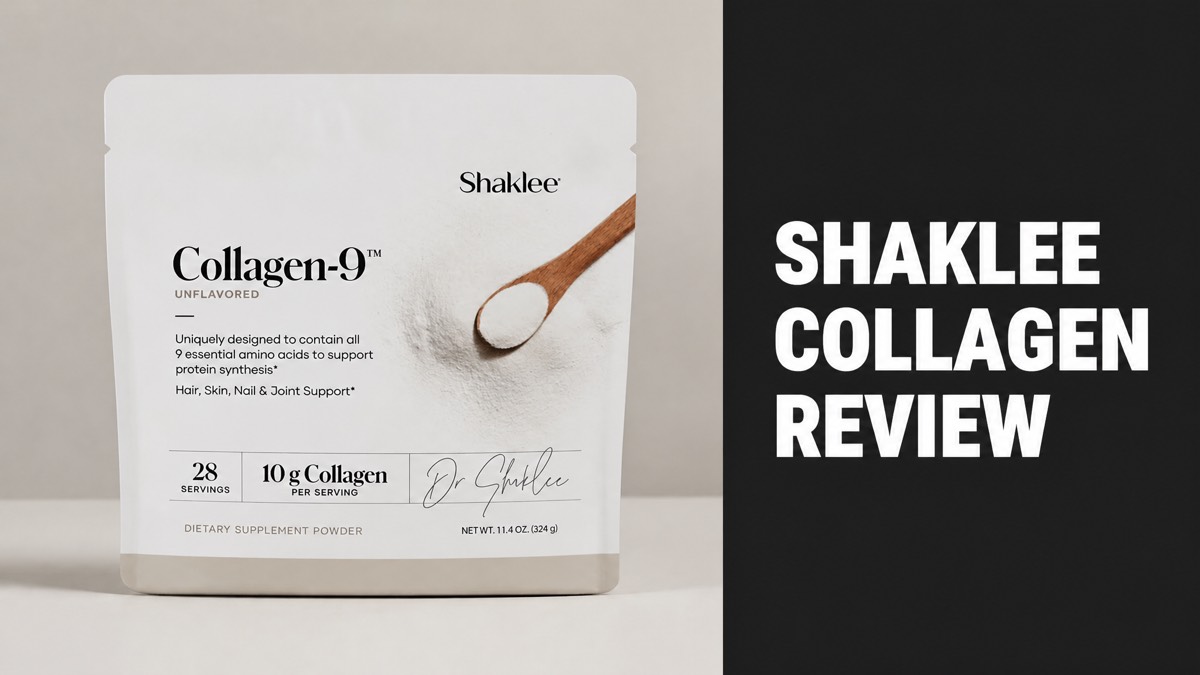
Shaklee collagen is a line of supplements from Shaklee Corporation, led by Collagen-9 powder and Liquid BioCell Life. Collagen-9 mixes into drinks, and Liquid BioCell is a liquid taken by the tablespoon. Both promise support for skin, hair, nails and joints, and each one fits a different kind of buyer.
The powder delivers 10 g of collagen with pea protein, vitamin C and biotin. The liquid uses a patented cartilage matrix with trial data behind it. Buyers like the lack of aftertaste. Complaints focus on grainy texture and sediment. Prices run about $2.00 per powder serving and $88.20 per liquid bottle, so the cost gap is wide.
The two products suit different goals, and the evidence behind each one differs. Below, you will see what is inside, how each one works, what it costs and how it compares to Vital Proteins. By the end, you will know whether Shaklee collagen earns a place in your routine or a spot in your cart.
What Is Shaklee Collagen?
Shaklee collagen is a line of collagen supplements from Shaklee Corporation, sold as a powder and as a liquid. The two flagship products are Collagen-9 and Liquid BioCell Life. Both target skin, hair, nails and joints, but they work in different ways.
Shaklee is a wellness company founded by Dr. Shaklee, who invented the first multivitamin in the US more than 100 years ago. Today it sells through more than 2 million members and ambassadors in North America and Asia.
Why does the liquid product carry the Shaklee name now? In July 2025, Shaklee secured an exclusive license for Liquid BioCell Collagen after bidding for the assets of Modere.
Which Shaklee Collagen Products Exist?
Shaklee sells one collagen powder and a Liquid BioCell range. The powder is Collagen-9. The liquid range includes Liquid BioCell Life, Life+, Pure and Beauty.
Collagen-9 comes in stick packs with 20 servings and in pouches with 28 or 40 servings. The liquid products come in bottles, and Life is also sold as a two-bottle pack.
Life+ is the newest liquid formula, and it debuted around May 2026. It adds a blend called TriPlex Technology to the original collagen matrix. This review focuses on Collagen-9 and Liquid BioCell Life, because those two have the most product detail available.
What Is in Shaklee Collagen?
Each product uses a different collagen source and a different supporting formula. Collagen-9 is a bovine collagen powder with pea protein, vitamin C and biotin. Liquid BioCell is a chicken cartilage extract blended with fruit concentrates and resveratrol.
Ingredient labels matter more with collagen than with most supplements. Healthline reports on a study of 59 collagen products where many did not identify the collagen source. Shaklee names the source of both of its products, which is a point in its favor.
What Does Collagen-9 Contain?
Collagen-9 delivers 10 g (0.35 oz) of hydrolyzed collagen per serving, plus 1 g of pea protein. One stick weighs 11.6 g. Hydrolyzed means the collagen is already broken down, so it dissolves in a drink more easily.
The collagen is type I and type III, taken from grass-fed, pasture-raised cattle. Type I is the most abundant collagen in the body. Type III supports skin elasticity and hydration.
Collagen alone carries only eight of the nine essential amino acids. The pea protein fills that gap, and the product name comes from that fix. Each serving also supplies 100% of the Daily Value of vitamin C and of biotin.
The powder is unflavored, non-GMO and dairy free, with no artificial flavors, sweeteners, colors or preservatives. The label says gluten free. The facility may also process tree nuts, milk, egg, soy, wheat, shellfish and fish.
Key contents per serving:
- 10 g hydrolyzed collagen, types I and III
- 1 g pea protein
- 100% Daily Value of vitamin C
- 100% Daily Value of biotin
- All 9 essential amino acids
What Is in Liquid BioCell Life?
Liquid BioCell Life is built around a patented Collagen/HA Matrix made from chicken cartilage. The matrix contains hydrolyzed type II collagen peptides, chondroitin sulfate and hyaluronic acid. These three ingredients are the same trio found in natural cartilage.
Shaklee adds 13 phytonutrient-rich superfoods and resveratrol to the matrix. Apple, grape, strawberry, mangosteen and cranberry are among the fruit ingredients. The result has a natural fruit flavor.
A serving has 15 calories and 3 g of carbohydrate. The formula is non-GMO, gluten free and dairy free. The standard dose is 1 tablespoon (15 mL) twice a day.
The newer Life+ formula keeps collagen peptides, hyaluronic acid and chondroitin sulfate. It then adds calcium fructoborate, pine bark extract, fucoidan, biotin and zinc. Those extras aim at bone density and collagen preservation.
How Does Shaklee Collagen Work?
Both products supply collagen building blocks that the body breaks into amino acids and short peptide chains. The body then reuses those pieces wherever it needs protein. Does the form matter, powder or liquid? Not for absorption, because the body breaks collagen down the same way either way.
The body makes its own collagen, but production slows with age. Collagen loss shows up as stiff joints, sagging skin, brittle nails, dull hair and wrinkles. Supplements try to support production before those signs build up.
Collagen-9 takes the building-block route. It supplies all nine essential amino acids, plus vitamin C, which the enzymes that make collagen require. Liquid BioCell takes the cartilage route and delivers collagen micropeptides, hyaluronic acid and chondroitin sulfate together.
How Do You Take Shaklee Collagen?
Collagen-9 goes into one serving of almost any drink, such as a shake, smoothie, matcha or coffee. Collagen is a fibrous protein, so it may not dissolve right away. How do you avoid clumps? Add it gradually and stir well.
Steps:
- Pour your usual drink into a glass.
- Add one serving of Collagen-9 a little at a time.
- Stir well until the powder disappears.
Liquid BioCell Life needs a good shake before each serving. The dose is 1 tablespoon (15 mL) twice a day. The fruit flavor means no mixing is needed.
Collagen works over weeks, not hours. Does absorption speed change the outcome? No, because the benefits build over time. Collagen-9 also pairs with a Shaklee Life Shake, where two scoops add the collagen building blocks to a balanced meal.
How Well Does Shaklee Collagen Work?
The liquid formula has direct trial data behind it, while the powder relies on ingredient-level science. That gap shapes how much weight each product's claims deserve. Treat the two as separate cases.
Schwartz and Park published the key BioCell Collagen trial in Clinical Interventions in Aging in 2012. Over 12 weeks, skin hydration improved, wrinkles dropped and facial blood microcirculation increased. The design was open-label, so participants knew what they were taking.
Collagen-9 cites studies on oral vitamin C and UV-induced skin stress. Those studies cover vitamin C, not the finished powder. Vitamin C does help the enzymes that make collagen, but the powder itself has no direct trial.
Dietary supplements are not evaluated by the FDA, and the product pages carry that disclaimer. Every benefit claim carries an asterisk for that reason. So read the claims as intentions, not guarantees.
What Does Shaklee Collagen Do for Skin and Joints?
Liquid BioCell aims to support skin hydration, firmness and elasticity. The label also says it may help reduce hyaluronidase, an enzyme that can contribute to skin aging. The 12-week trial measured hydration and wrinkles.
Collagen-9 approaches skin through vitamin C and biotin. Vitamin C is required by collagen-making enzymes and acts as an antioxidant. Biotin supports healthy hair, skin and nails. Do results show up fast? Some users see fine lines fade after about a month, but those are individual experiences, not trial results.
For joints, Liquid BioCell is the stronger fit, because it supplies type II collagen and chondroitin sulfate from cartilage. The label lists joint mobility, lubrication and comfort among its benefits. Cartilage-focused products usually lean on type II collagen for this reason.
Collagen-9 also makes a joint claim, but it uses types I and III, the skin-oriented types. At least one user reports less joint ache after a month. That is a single account, and it does not replace controlled evidence.
What Do Shaklee Collagen Reviews Say?
Shaklee collagen reviews lean positive but split on taste and texture. Collagen-9 scores 4.26 out of 5 across 65 ratings, and a separate 40-serving listing holds 4.5 out of 5 across 38. The Liquid BioCell Life two-pack shows 5 out of 5, but that rests on only 9 reviews.
Small samples flatter a product. Why does the 5-star liquid score carry less weight? Nine reviews cannot show a pattern the way 65 can.
What Do Buyers Like?
Buyers like that Collagen-9 leaves no aftertaste for many users. One calls it one of the best collagen powders they have tried. Unflavored products win or lose on this point.
Positive accounts mention faster nail growth, a skin glow, fading fine lines and less joint ache. Those results appear after about a month of daily use. The pattern fits the idea that collagen works slowly.
Shaklee backs its products with a 100% money-back guarantee, even when the container is used up. Is the risk of trying it high? Not much, because the guarantee covers the purchase.
What Are the Common Complaints?
The most common complaints are texture, taste and sediment. Some users find the powder grainy even after a good stir and see sediment at the bottom of the glass. Others describe it as just powdered white stuff.
Taste divides buyers. One user detected a meaty flavor when mixing a scoop with orange juice. Another found it did not mix well in coffee. Unflavored collagen usually tastes neutral, so a strong flavor can surprise people.
Is the gluten free label the whole story? One celiac buyer got sick despite it, and the same package warns that it is made in a facility that may process wheat. Anyone with celiac disease should weigh that warning.
Common complaints:
- Grainy texture after stirring
- Sediment in the glass
- Meaty taste in some drinks
- Poor mixing in coffee
- Facility warning for wheat
- Pouch that does not close well
How Safe Is Shaklee Collagen?
Collagen supplements carry a good safety profile and are not associated with adverse side effects, as Healthline states. Most risks come from the ingredients added to collagen. Is Shaklee's added list long? Collagen-9 adds only pea protein, vitamin C and biotin.
Healthline flags two risks in collagen blends. Megadoses of biotin can interfere with laboratory tests for heart and thyroid function. Herbal extracts may interact with prescription drugs. Collagen-9 supplies 100% of the biotin Daily Value, not a megadose, while Life+ adds pine bark extract.
Pregnant and nursing women should consult a physician first. No safety issues are known for collagen during pregnancy or breastfeeding. Still, a doctor can check the full ingredient list.
Who Should Avoid Shaklee Collagen?
Anyone with an allergy to beef, chicken or peas needs to skip the matching product. Collagen-9 uses bovine collagen and pea protein. Liquid BioCell uses chicken cartilage.
People with celiac disease or severe gluten sensitivity face an extra question. The gluten free claim sits next to a facility warning for wheat. A doctor can help weigh that trade-off.
Check with a doctor first if you:
- Take blood thinners or other prescription drugs
- Are pregnant or nursing
- Have celiac disease
- Are allergic to beef, chicken, peas, fish, shellfish or tree nuts
How Much Does Shaklee Collagen Cost?
Collagen-9 costs $39.90 for the 20-serving stick pack at retail, or $33.95 for members. That works out to about $2.00 per serving at retail and $1.70 for members. Larger pouches carry more servings.
Liquid BioCell Life costs $88.20 per bottle at retail and $74.99 for members. The two-bottle pack costs $167.60 at retail and $142.50 for members. The liquid costs more than the powder because it is a patented, multi-ingredient formula.
Shaklee collagen prices:
| Product | Retail | Member |
|---|---|---|
| Collagen-9, 20 servings | $39.90 | $33.95 |
| Liquid BioCell Life, 1 bottle | $88.20 | $74.99 |
| Liquid BioCell Life, 2 bottles | $167.60 | $142.50 |
Membership costs $19.95. Members get 15% off all orders and free shipping on orders of $150 or more. A single bottle of liquid collagen already covers the fee in savings.
Where to Buy Shaklee Collagen?
Shaklee collagen sells through Shaklee.com and through Shaklee ambassadors. Collagen-9 in the 40-serving size also has an Amazon listing. Availability on that listing changes, so check stock.
Buying direct from Shaklee brings the 100% money-back guarantee. That guarantee applies even if the product is used up. It matters most for an unflavored powder that some buyers dislike.
How Does Shaklee Collagen Compare to Vital Proteins?
Vital Proteins packs more collagen per serving than Collagen-9. A two-scoop serving (about 20 g) carries 18 g of collagen and 80 mg of hyaluronic acid. A Collagen-9 stick carries 10 g in 11.6 g of powder.
Collagen-9 makes up for the smaller dose with extras. It adds pea protein, vitamin C and biotin. The basic Vital Proteins canister lists only bovine hide collagen peptides and hyaluronic acid.
Both products use bovine collagen, types I and III. Vital Proteins does not publicly disclose its peptide molecular weight profile. Shaklee names a grass-fed, pasture-raised source for Collagen-9.
Collagen-9 vs Vital Proteins:
| Feature | Collagen-9 | Vital Proteins |
|---|---|---|
| Collagen per serving | 10 g | 18 g |
| Collagen types | I and III | I and III |
| Added nutrients | Pea protein, vitamin C, biotin | Hyaluronic acid (80 mg) |
| Source | Grass-fed, pasture-raised bovine | Bovine hide |
How Does Collagen-9 Compare to Liquid BioCell?
Collagen-9 and Liquid BioCell target different tissues through different collagen types. The powder uses types I and III, which suit skin. The liquid uses type II from cartilage, which suits joints.
The powder is the cheaper entry point at about $2.00 per retail serving. The liquid starts at $88.20 per bottle. Is the liquid worth four or five times more? Only if joint support is the goal.
Absorption does not separate the two. Hydrolyzed powder is digested and absorbed to the same extent as liquid collagen. So the choice comes down to goal, taste and budget.
Shaklee Collagen: Final Verdict
Shaklee collagen is a solid, well-documented option, though not a bargain. Collagen-9 is a sensible all-in-one powder with vitamin C and biotin. Liquid BioCell has the stronger evidence, at a higher price.
Pros:
- Clear sourcing and ingredient detail
- Vitamin C and biotin added to the powder
- Trial data behind the liquid formula
- 100% money-back guarantee
Cons:
- Some users find the powder grainy or meaty-tasting
- Facility warning for wheat despite the gluten free label
- Lower collagen dose than Vital Proteins
- High price for the liquid
Who Is Shaklee Collagen Best For?
Collagen-9 suits people who want collagen, vitamin C and biotin in one scoop and do not mind an unflavored powder. Liquid BioCell suits people who want a joint-focused formula and can afford it.
Skip it if texture bothers you, if you have celiac disease, or if price matters most. Bottom line: Shaklee collagen is worth it for fans of the brand, but not the cheapest way to buy collagen.
Coffee Loving Card Makers is a reader-supported platform. Purchases made through our links may earn us an affiliate commission at no extra cost to you. Learn more.