
Is the Gatorade Sweat Patch Worth It in 2026? An Honest Review
 By Anna Krause November 4, 2026
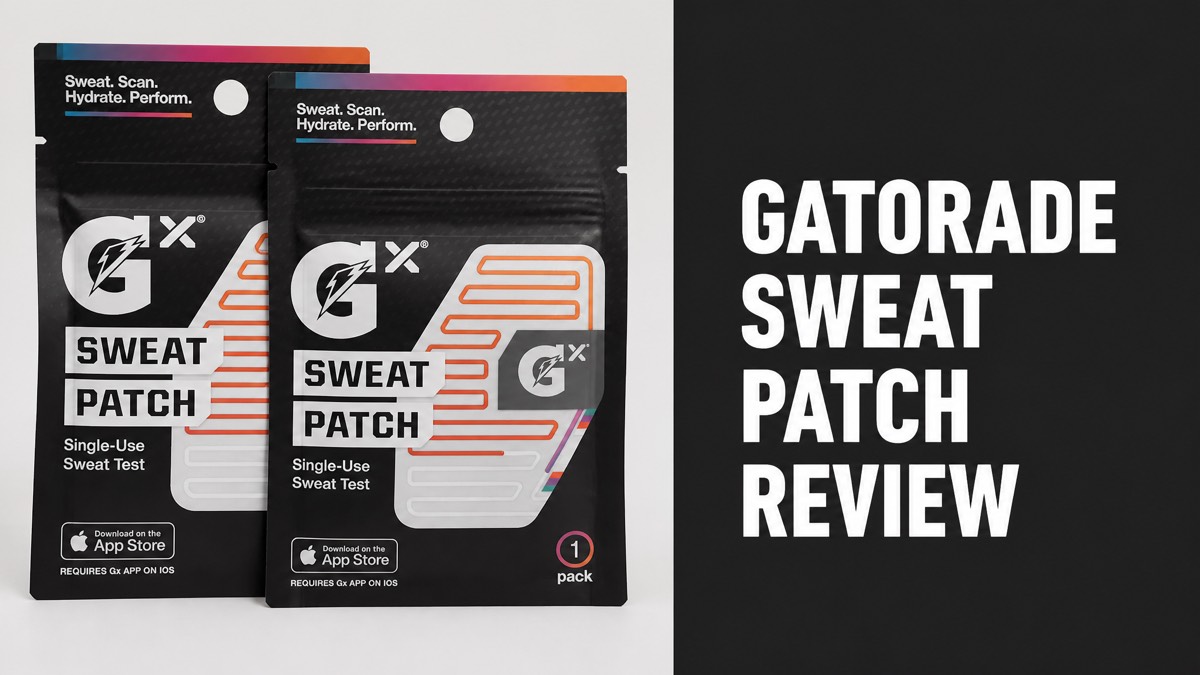
The Gatorade Gx Sweat Patch is a single-use wearable that measures sweat rate, fluid loss and sodium loss during one workout. Gatorade launched it in March 2021 for $24.99 per two-pack. A phone app reads the patch and then builds a personal hydration plan for athletes before their next workout.
The patch collects sweat in tiny channels and shows chloride through a color change. Setup takes seconds, and the adhesive stays put. Users like the simple design and the free app, but they criticize its navigation and finicky scans. A 2026 study found failure rates of 20% for sweat rate and 43% for sodium, with readings that ran low.
The patch costs about $12.50 per use, far below a $200 to $500 lab test. Accuracy is the trade-off. Endurance athletes get the most from it, while casual exercisers gain little. Read on to see who should buy it, who should skip it, and how to get the most from every single patch.
What Is the Gatorade Sweat Patch?
The Gatorade Gx Sweat Patch is a single-use wearable that reports sweat rate, fluid loss and sodium loss for one workout. The patch sticks to the inner forearm and fills with sweat as the body heats up. A phone app then turns the result into a personal sweat profile.
Gatorade launched the patch in March 2021 at $24.99 for a pack of two. Sales started online and in Dick's Sporting Goods stores. The product ranks among the first commercial sweat tests built for home use.
Quick Facts:
- Launched in March 2021
- $24.99 for a pack of two
- Sold online and in Dick's Sporting Goods stores
- Single use, one workout per patch
- Reports sweat rate, fluid loss and sodium loss
Here's the problem the patch targets. Sweat rates vary from 0.5 to 3 liters (0.13 to 0.8 gallons) per hour between people. Sodium loss ranges from 100 to 2,000 mg per hour. So why does generic advice fall short? A spread that wide makes one-size-fits-all hydration tips a poor fit for many athletes.
Who Makes the Gatorade Sweat Patch?
PepsiCo owns Gatorade, and the brand holds about 72% of US sports drink sales. The sweat patch is the brand's first wearable device. The move fits a wider push toward personalized products at a premium price.
Northwestern University and Epicore Biosystems built the microfluidic sensing platform behind the patch, with a team led by John Rogers. The Gatorade Sports Science Institute wrote the app algorithms. The institute has studied athlete hydration for more than 30 years.
How Does the Gatorade Sweat Patch Work?
The patch collects sweat in tiny capillary channels and reads its chloride content through a color change. Why does that matter? The closed channels stop sweat from evaporating before it's measured. Horizontal lines fill with orange as sweat rate climbs.
Next, a chemical test inside the patch reacts to chloride, a stand-in for sodium. A vertical purple line fills and shifts hue with the concentration. Sodium chloride is the main salt in sweat, so chloride is a sound proxy.
Then the Gx app reads those colors through the phone camera. The user adds weight before and after the workout, plus intensity and conditions. The app combines everything into sweat rate, sodium loss and a hydration plan.
How Do You Wear and Scan the Gatorade Sweat Patch?
Placement is simple: clean and dry the inner forearm, peel the adhesive backing and press the patch on. The patch measures 2.5 by 1.5 inches (6.4 by 3.8 cm) and weighs 1.25 ounces (35 grams). Gatorade recommends use above 46°F (8°C).
Scanning needs patience and good light. Don't scan right away. Why wait 5 to 10 minutes? The channels keep filling while the body cools down. One scan attempt failed for five minutes indoors and worked at once outside.
Steps:
- Clean and dry the inner forearm.
- Peel the adhesive backing and press the patch on.
- Exercise until the channels fill with sweat.
- Wait 5 to 10 minutes, then scan the patch outdoors or in strong light.
- Enter weight, intensity and conditions in the Gx app.
The Gatorade Sports Science Institute advises building at least four profiles. Those cover two workout intensities in two environments. The app then matches future workouts to the closest profile and adjusts its advice.
How Well Does the Gatorade Sweat Patch Perform?
In field use, the patch returns readings that match how the body feels after a workout. A 6 km (3.7 mile) run produced a fluid loss of 946 ml (32 ounces) and a sweat rate of 1,754 ml per hour. The runner then drank about a liter and felt no more thirst.
A 4-mile (6.4 km) moderate run on an 81°F (27°C) day produced a rate of 1,058 ml per hour. Each profile only holds for similar conditions. Why? Heat changes sweat output, so a summer run and a winter run need separate analysis.
Is the Gatorade Sweat Patch Accurate?
No. The patch is not accurate enough for precise race planning. A 2026 ACSM study by Atkins, Chopelas and McDermott tested it on 22 trained athletes in cycling trials. Trials ran at 30°C (86°F) and 55% humidity against a lab absorbent patch.
The patch returned no sweat rate in 9 of 44 trials, a 20% failure rate. The sodium failure rate reached 43%. What does that mean in practice? Nearly half of sodium tests returned nothing usable. Usable readings still ran low: 0.53 liters per hour against 0.96 for the lab method.
Sodium loss averaged 729 mg against 1,053 mg in the lab. Only 47% of sweat rates landed within 0.5 liters per hour of the lab value. Just 36% of sodium readings landed within 200 mg.
Patch vs Lab Method:
| Measure | Gx Patch | Lab Method |
|---|---|---|
| Average sweat rate | 0.53 L/h | 0.96 L/h |
| Average sodium loss | 729 mg | 1,053 mg |
| Failed readings | 20% sweat rate, 43% sodium | Usable for comparison |
What Do Gatorade Sweat Patch Reviews Say?
User opinion sits in the middle. The two-pack holds 3.3 out of 5 stars from 109 ratings on Amazon. A hands-on test scored design 7.5, ease of use 8.0, use of information 7.5 and value 7.0, all out of 10.
The patch earns praise for the idea and criticism for the follow-through. The hardware works as described. So where do the complaints land? The app and the single-use design draw most of them.
What Do Users Like About It?
The patch is simple to use and needs no battery or charging. The adhesive holds firmly during a run, with no risk of it falling off. Placement on the inner forearm makes it easy to check while moving.
The Gx app syncs with Apple Health, Garmin and Strava, so workout data arrives on its own. The app gives pre-workout fluid and carb targets plus recovery advice. One athlete linked a Garmin Connect account and had the run logged in the background.
What Are the Common Complaints?
The app draws the sharpest criticism. The interface has no home screen, throws frequent error messages and loops through the same workout questions. The app also reports sodium numbers without explaining what they mean.
Main Complaints:
- No home screen in the app
- Frequent error messages
- Repeating workout questions
- Sodium numbers with no explanation
- Scans that fail in poor light
And the patch itself can be slow. One athlete saw the channel fill slowly on a bike ride. Did the second patch ever fill? No. The patch collected nothing on a long, easy walk, and $12.50 of product went to waste.
To be clear, scanning is finicky. The camera needs strong light, so indoor scans often fail. The app launched on iPhone only, with Android support promised later.
Gatorade Sweat Patch vs Other Sweat Tests?
The patch sits between free guesswork and expensive lab testing. The old-school method costs nothing. An athlete weighs in before and after a workout and subtracts the fluid drunk.
But that method has a flaw. Part of the weight lost is glycogen and the water stored with it, not sweat. The weigh-in also says nothing about sodium. The patch adds sodium data and separates the sweat itself.
A mail-in sweat test costs at least $99. The athlete exercises with a gauze pad and sends it to a lab. Any evaporation skews the result.
How Does It Compare With Lab Sweat Testing?
Lab sweat testing costs $200 to $500 per session and needs a controlled environment. The patch costs about $12.50 per use. Why does it attract so many buyers? Lab sessions run $200 to $500, and that price gap explains most of the appeal.
What's more, the gap in quality is just as clear. The 2026 study found the patch underestimated both sweat rate and sodium loss against a standard lab method. Lab results stayed consistent between trials, while the patch did not.
Sweat Test Options:
| Method | Cost | Main Catch |
|---|---|---|
| Weigh before and after | Free | Mixes sweat with glycogen and water loss |
| Mail-in gauze test | $99 or more | Evaporation skews results |
| Gx Sweat Patch | $12.50 per patch | Underestimated sweat and sodium in a 2026 study |
| Lab session | $200 to $500 | Needs a controlled environment |
Is the Gatorade Sweat Patch Safe?
Yes. The patch uses a certified hypoallergenic adhesive and non-toxic food dyes. The sensor sits on the skin surface and does not pierce it.
One side effect shows up after use. The patch stained the skin a bit. The stain washed off after a day or so.
Who Should Skip the Gatorade Sweat Patch?
Casual exercisers gain little from sweat testing. Why? A run under an hour needs no fluids or food carried along. Fluids and food after the workout cover the need.
Skip It If:
- Workouts run under an hour
- The main activity is yoga or swimming
- Temperatures sit below 46°F (8°C)
- The plan is to follow the numbers as exact rules
And anyone who treats the numbers as law should skip it, too. Tamara Hew-Butler, a sports science professor at Wayne State University, says fluid and electrolyte data should never be followed as an exact rule. Thirst, dizziness and headache matter more than any app target.
Low-sweat activities fit poorly too. Yoga and swimming may not produce enough sweat to fill the patch. Temperatures below 46°F (8°C) are also outside the recommended range.
How Much Does the Gatorade Sweat Patch Cost?
The patch launched at $24.99 for a pack of two, or about $12.50 per patch. Each patch covers one workout and then goes in the trash. Prices at third-party sellers can run higher.
A 10-pack appeared at one retailer for $249.99 in 2021. The price works out to $25 per patch, double the launch rate. Buyers should compare per-patch cost before choosing a pack.
Is the Gatorade Sweat Patch Worth the Price?
Yes. The patch pays off only for athletes who need several sweat profiles. One patch covers one workout type. Gatorade's own guidance of four profiles means four patches, roughly $50.
The four-patch total sits far below a $200 to $500 lab session. Is the cheaper test as good? Not quite. The catch is accuracy, since the patch misses more often. Athletes who repeat tests to confirm results will spend more than the headline price.
Where to Buy the Gatorade Sweat Patch?
The patch sells online and through sporting goods retailers. Gatorade sold it online and through Dick's Sporting Goods at launch. Amazon carries a pack-of-two listing as well.
Keep in mind that prices and stock vary by seller. A low price on a marketplace deserves a closer look at pack size. Checking the per-patch cost keeps comparisons honest.
Is the Gatorade Sweat Patch Sold in Stores?
Yes. The patch reached Dick's Sporting Goods stores at launch. In-store stock changes by location and season. A quick call or website check before a trip saves time.
Online ordering is still the simplest route. One retailer listed the product for US customers only, so shoppers elsewhere should confirm availability first.
Is the Gatorade Sweat Patch Worth It?
Yes. For a narrow group, the patch delivers a useful starting estimate of sweat rate and sodium loss at a low price. Bottom line: it needs no battery, goes on in seconds and costs a fraction of lab testing.
But the downsides are real. Each patch works once, and the 2026 study recorded 20% sweat-rate failures and 43% sodium failures. Readings ran low against the lab method, and the app feels clunky.
Pros:
- Simple to apply
- No battery or charging
- Far cheaper than lab testing
- Useful starting estimate
Cons:
- Single use per workout
- 20% sweat-rate and 43% sodium failures in a 2026 study
- Readings ran low against the lab method
- Clunky app
Who Should Buy the Gatorade Sweat Patch?
Endurance athletes get the most from the patch. Marathon runners, triathletes and long-distance cyclists benefit from a personal fluid plan. Heavy sweaters and athletes who cramp despite good fueling fit the same group.
Here's what works best: repetition. Run several tests in similar conditions and treat the results as a range. Confirm the range with body-mass change, thirst and how the workout felt.
Coffee Loving Card Makers is a reader-supported platform. Purchases made through our links may earn us an affiliate commission at no extra cost to you. Learn more.