
Bone Broth Collagen Review: Is It Worth Adding to Your Routine?
 By Anna Krause September 23, 2026
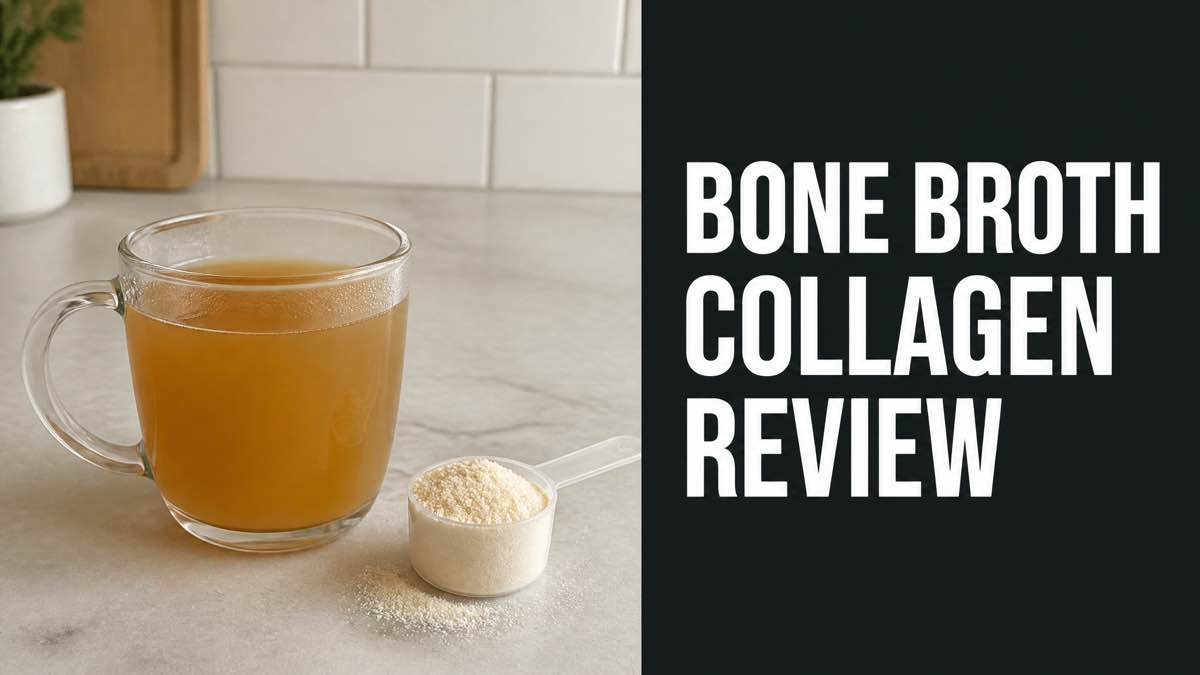
Bone broth collagen blends hydrolyzed collagen peptides with real bone broth in a single scoop. It targets gut lining, joint comfort, and skin elasticity without a 24-hour simmer.
Bone broth delivers around 9 grams of protein per cup, though lab testing found a range of 3.8 to 11 grams. Collagen content swings from 1.3 to 11.5 grams per cup, with 4 grams as the common mark. Clinical trials on collagen typically use 10 to 15 grams daily, well above a single cup. Prices per cup range from 84 cents to $3.84, and the cost of 5 grams of collagen spans $1.14 to $5.74 across tested products.
Buyers weigh gut support, joint comfort, and skin benefits against real cost per gram of collagen. The sections below break down the ingredients, the evidence, the complaints, and the price math so a clear verdict follows.
What Is Bone Broth Collagen?
Bone broth collagen combines dehydrated bone broth with hydrolyzed collagen peptides in one convenient powder. Traditional bone broth comes from simmering chicken or beef bones for hours, then the liquid gets dried into a scoopable powder.
Some products labeled 'bone broth' are not true bone broth. They mix collagen with meat extract and other ingredients instead of dehydrating an actual simmered broth. Checking the ingredient list confirms whether a product is real bone broth or a collagen blend wearing a bone broth label.
Bone broth naturally carries small amounts of vitamins and minerals, all under 5% of daily requirements. Potassium sits at the highest concentration among these minerals. Sodium runs close to 100 mg per cup in unsalted versions, but salted versions climb toward 500 mg.
How Does Bone Broth Collagen Work?
Bone broth collagen supplies amino acids that the body uses to rebuild its own collagen, cartilage, and gut lining. Glycine and proline, the two dominant amino acids in bone broth, drive protein synthesis and metabolic repair.
Glycine specifically supports the gut lining, promotes restful sleep, and feeds the body's own collagen production. This amino acid works as a building block rather than a finished protein, so the body assembles it into new tissue over time.
Digestion breaks hydrolyzed collagen peptides into smaller fragments than whole collagen. Smaller peptides absorb faster and more completely, a distinction bone broth collagen powders lean on compared to plain simmered broth.
What Ingredients Are in Bone Broth Collagen?
The core formula contains grass-fed bone broth, hydrolyzed collagen peptides, and glycine as the three functional ingredients. Most formulas skip dairy and gluten entirely, a detail label-checkers should confirm before buying.
Collagen peptides form the structural base for skin, hair, nails, tendons, and joints. The hydrolyzed form breaks these proteins into fragments the digestive system absorbs efficiently.
Minerals round out the formula in trace amounts, mirroring what a simmered broth naturally contains. These minerals never replace a multivitamin, but they add a small nutritional bonus beyond protein alone.
Core Ingredients:
- Grass-fed bone broth (dehydrated)
- Hydrolyzed collagen peptides
- Glycine
- Trace minerals (potassium, small amounts of calcium and magnesium)
What Are the Benefits of Bone Broth Collagen?
Bone broth collagen's benefits center on gut support, joint comfort, and modest improvements in skin elasticity. Clinical research on collagen peptides links regular intake to reduced joint pain and increased bone mineral density.
Muscle building shows up as a secondary benefit tied to the amino acid profile. Bone broth's protein content, including its collagen fraction, contributes meaningfully toward a person's daily protein target.
Skin benefits appear modest rather than dramatic in the available evidence. Studies point to improved elasticity and reduced wrinkle depth, not a full reversal of visible aging.
Does Bone Broth Collagen Support Gut Health?
Yes. Glycine and the amino acid profile in bone broth support the gut lining directly. This mechanism explains why bone broth gets promoted for digestive healing, even though clinical data on the whole-food version stays limited.
A person with long-term gut issues finally tolerated a collagen product without triggering symptoms, even using it daily in coffee and homemade treats. That kind of individual response varies by person and digestive history, so it does not generalize to every user.
Does Bone Broth Collagen Help Joints and Skin?
Yes, within the limits of the existing evidence. Collagen peptides reduce joint pain and modestly improve skin elasticity at daily doses of 10 to 15 grams.
A single cup of bone broth rarely reaches that clinical dose on its own. Most tested products deliver closer to 4 grams of collagen per serving, meaning joint and skin effects likely build gradually with consistent daily use rather than appearing quickly.
Reported Benefits:
- Gut lining support from glycine
- Joint comfort with consistent daily use
- Modestly improved skin elasticity over time
- Contribution toward daily protein targets
- Reduced wrinkle depth in some collagen studies
What Do Bone Broth Collagen Reviews Say?
Feedback on bone broth collagen splits between praise for convenience and flavor, and complaints about clumping or price. Products with strong mixability tend to earn the highest satisfaction scores.
Flavor comes up constantly in feedback. Single-ingredient bone broth powders taste distinctly savory, closer to beef broth than a neutral protein powder, which surprises buyers expecting something milder.
Versatility earns consistent praise. Buyers mix these powders into coffee, smoothies, soups, and even mashed potatoes rather than limiting use to a single recipe.
What Do Buyers Like?
Buyers consistently highlight easy mixing, a pleasant flavor, and noticeable joint or gut comfort within weeks. One buyer described tolerating a collagen product for the first time after years of gut issues, even using it in coffee and homemade treats.
Another buyer praised how easily the powder dissolved in water, calling it a simple way to get collagen and bone broth in one step. Simplicity of use repeats as a theme across positive feedback.
What Are the Common Complaints?
The most frequent complaints involve clumping in liquid, a savory flavor that clashes with sweet recipes, and container size. Single-ingredient powders clump without added blending agents, requiring a blender or shaker bottle for a smooth texture.
Some buyers wanted a smaller trial-size container before committing to a full-size purchase. Refund policies on unopened products only add friction for buyers unsure about committing to a full container upfront.
Sourcing transparency also draws criticism. Buyers want clearer detail on where bones originate and whether cattle were grass-fed, information some labels omit.
How Does Bone Broth Collagen Compare to Other Bone Broth Products?
Bone broth collagen powders differ from liquid bone broth mainly in convenience, shelf life, and protein concentration per serving. Liquid bone broth requires refrigeration and a shorter shelf window, while powders store at room temperature for months.
Testing across ten liquid and powder bone broth products found real quality gaps. Only 6 out of 10 products passed testing standards, with two delivering far less protein than their labels claimed.
Sodium varied widely across the tested lineup, from 104.2 mg in an unsalted product to over 800 mg in a salted one. That range makes label-reading essential for anyone managing sodium intake.
Bone Broth Collagen vs Kettle & Fire and Bonafide Provisions
Kettle & Fire and Bonafide Provisions sell primarily liquid bone broth, while collagen-focused powders target faster daily use. Liquid formats suit sipping straight from a mug, while powders blend into coffee, smoothies, or existing meals.
Protein and collagen content varies enough between brands that comparing labels directly matters more than comparing brand names. A product with 11 grams of protein per cup delivers meaningfully more than one with 3.8 grams, regardless of price point.
Bone Broth Format Comparison:
| Format | Protein Range | Collagen Range | Storage |
|---|---|---|---|
| Liquid bone broth | 3.8g-11g per cup | 1.3g-11.5g per cup | Refrigerated, short shelf life |
| Powdered bone broth | 3.8g-11g per serving | 1.3g-11.5g per serving | Room temperature, months-long shelf life |
| Collagen-blend powder | Varies by brand | Often 4g per scoop | Room temperature, months-long shelf life |
Are There Side Effects From Bone Broth Collagen?
Reported side effects from collagen supplements include mild nausea, bloating, constipation, and occasional skin rash. These effects appear inconsistently and usually stay mild when they occur at all.
Sodium content presents a more measurable risk than the collagen itself. Salted bone broth products can carry up to 800 mg of sodium per serving, a meaningful chunk of a daily sodium budget for anyone monitoring blood pressure.
Heavy metal contamination testing across ten bone broth products found no product exceeding safety limits for lead, arsenic, mercury, or cadmium. That result covers the products actually tested, not every brand on the market.
Who Should Avoid Bone Broth Collagen?
People with known sensitivities to collagen, gelatin, or specific animal proteins should skip bone broth collagen. Anyone managing sodium intake for blood pressure reasons should check labels closely, since salted versions can run high.
People with diagnosed diabetes or other conditions requiring dietary caution should confirm ingredients with a healthcare provider before adding any new protein source. Individual tolerance varies enough that a small trial serving beats committing to a full container upfront.
Possible Side Effects:
- Mild nausea in sensitive individuals
- Bloating or digestive discomfort
- Occasional constipation
- Rare skin rash
- High sodium intake from salted versions
How Much Does Bone Broth Collagen Cost?
Pricing on bone broth collagen ranges from roughly $30 to $54 per container depending on size and shipping. A one-pound container commonly runs $39.99 for a one-time purchase, dropping to around $31.99 on a recurring subscription.
Shipping adds meaningfully to the real cost. Expedited shipping can add $13.99 to a single order, while orders above $99 typically ship free.
Cost per gram of actual collagen tells a clearer story than sticker price alone. Testing found the cost of 5 grams of collagen ranged from $1.14 to $5.74 depending on the product and format chosen.
Is Bone Broth Collagen Worth the Price?
The price holds up better for buyers who use a full container consistently rather than letting it sit half-finished in a cabinet. Subscription pricing drops the per-container cost by roughly 20%, which matters most for daily users.
Buyers chasing clinical-dose collagen intake (10 to 15 grams daily) may need more than one scoop to hit that target. Checking grams of collagen per serving against the clinical range determines whether the price actually delivers meaningful value.
Where Can You Buy Bone Broth Collagen?
Bone broth collagen products sell directly through brand websites, through major retailers, and through Amazon listings. Buying direct from a brand site often unlocks subscription discounts unavailable through third-party retailers.
A 60-day money-back guarantee appears on several brands, giving buyers a real window to test the product before committing long-term. Contacting customer support directly resolves most refund requests without extra hoops.
Retail availability includes warehouse clubs carrying private-label bone broth options at lower price points. These private-label versions passed quality testing at rates comparable to name-brand competitors in independent lab reviews.
Is Bone Broth Collagen Worth It?
Bone broth collagen earns a cautious yes for buyers prioritizing gut support and daily protein convenience over hitting a clinical collagen dose. The format wins on convenience: one scoop replaces hours of simmering bones.
The catch sits in the dosing gap. Most servings land around 4 grams of collagen, well under the 10 to 15 grams clinical trials use to show joint and skin benefits. Buyers chasing those specific outcomes may need to double servings or pair the powder with a dedicated collagen supplement.
For buyers focused on gut support, daily protein, and a convenient alternative to simmered broth, bone broth collagen delivers real value at a reasonable cost per serving. For buyers chasing clinical-grade joint or skin results, checking the collagen-per-scoop number against the 10 to 15 gram benchmark matters more than any brand name on the label.
Coffee Loving Card Makers is a reader-supported platform. Purchases made through our links may earn us an affiliate commission at no extra cost to you. Learn more.